Why Metal Roofing Is the Smart Choice for Long-Lasting Protection
Metal roofing has become a practical option for homeowners in search of enduring protection. Its remarkable durability and lifespan substantially exceed traditional materials. Moreover, metal roofs demonstrate energy efficiency and require low maintenance. They can withstand severe weather, making them a reliable choice in diverse climates. Still, the benefits reach beyond durability. There are numerous factors that account for the growing popularity of metal roofing. What makes it a sound investment for the future?
Outstanding Longevity and Extended Lifespan
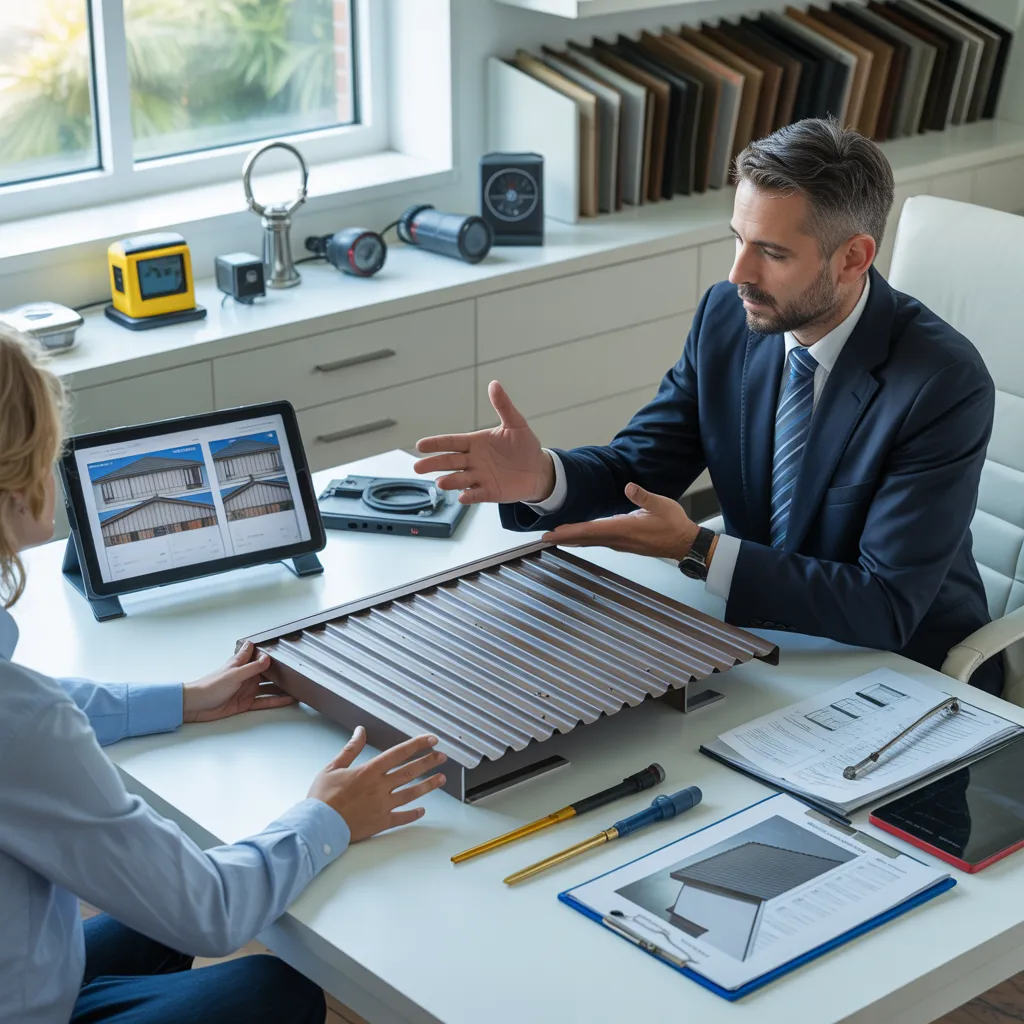
Metal roofing stands out for its exceptional durability and longevity, making it a preferred choice for homeowners and builders alike. Unlike traditional roofing materials, metal roofs are resistant to harsh weather conditions, including heavy rain, snow, and high winds. They resist extreme temperature variations without fracturing or bending, maintaining reliable long-term functionality. Metal roofs are also resistant to rust, insects, and decay, further enhancing their lifespan. Generally, metal roofs maintain their integrity for 40 to 70 years, significantly exceeding the lifespan of asphalt shingles that typically need replacement every 15 to 20 years. Additionally, their lightweight nature reduces stress on the building's structure. This union of toughness and prolonged lifespan renders metal roofing a prudent investment for individuals pursuing reliable residential protection.
Cost Savings and Energy Efficiency
Metal roofs provide significant energy efficiency benefits, mainly due to its reflective coating that decreases heat absorption. This characteristic not only helps maintain comfortable indoor temperatures but also contributes to lower energy bills. Furthermore, the longevity of metal roofs reduces the frequency of replacements, resulting in substantial cost savings over time.
Benefits of Reflective Surfaces
Although numerous roofing materials retain heat, reflective surfaces in roofing systems offer significant energy efficiency gains that can result in considerable cost savings. Metal roofs, particularly those with reflective coatings, can proficiently deflect sunlight, minimizing heat absorption and keeping buildings cooler. This diminished heat retention results in lower energy consumption for cooling systems, leading to reduced utility bills during hot months. Furthermore, energy-efficient roofing can be eligible for tax credits and incentives, further increasing overall savings. Over time, the initial investment in a reflective metal roof can yield substantial financial gains, making it a wise choice for homeowners and businesses alike, as they benefit from both environmental and economic gains.
Long-Term Performance Reduces Replacement Costs
The extended lifespan of metal roofing systems substantially minimizes replacement costs, positioning them as a prudent financial choice over time. While conventional roofing materials typically need replacement every 15 to 20 years, metal roofs can endure 50 years or longer when properly maintained. This remarkable longevity substantially reduces how often replacement is needed, permitting homeowners to realize significant financial savings over time. Additionally, metal roofs are resistant to a variety of weather conditions, reducing the likelihood of damage that could necessitate premature replacement. When choosing a metal roofing system, property owners gain improved durability and assurance, recognizing they are lowering long-term expenditures connected to roofing maintenance and replacement.
Minimum Care Needs
What's the way for homeowners to find a roofing solution that requires limited upkeep? Metal roofing appears as a top choice expert advice due to its reduced maintenance requirements. Unlike traditional roofing materials, metal roofs are created to withstand the test of time, minimizing the frequency of repairs and replacements. Homeowners profit from the absence of issues such as rotting, warping, or insect damage, prevalent in other roofing types. Routine inspections are typically sufficient, usually limited to checking for debris accumulation or loose fasteners. Additionally, metal roofs are resistant to fading, rust, and corrosion, which means they sustain their aesthetic appeal without the need for painting or refinishing. This practical option allows homeowners to enjoy peace of mind while saving money and time on maintenance efforts.
Resilience in Harsh Weather Environments
Given the unpredictable nature of weather, homeowners pursuing durability often turn to metal roofing for its remarkable resistance to harsh conditions. Metal roofs withstand extreme temperatures, heavy snowfall, and intense winds, making them ideal for regions with diverse climates. Unlike conventional roofing materials, metal does not crack or warp under stress, guaranteeing longevity. Additionally, these roofs are impervious to rust and corrosion when properly treated, additionally enhancing their durability. Their lightweight design decreases structural strain, allowing them to endure severe weather events without compromising integrity. Additionally, metal roofing can reflect solar heat, promoting energy efficiency and reducing cooling costs during hot summers. All in all, the solid performance of metal roofing in adverse weather conditions solidifies its reputation as a smart investment for homeowners.
Design Versatility and Visual Options
Although numerous property owners focus on functionality when deciding on roofing materials, aesthetic versatility and design options are just as crucial. Metal roofing offers a extensive variety of styles, colors, and finishes, allowing homeowners to reach their desired look. Whether emulating traditional shingles, tiles, or standing seam profiles, metal roofing can suit various architectural styles, from modern to rustic. Its ability to be painted in almost any color guarantees that homeowners can individualize their roofs to correspond to their preferences. In addition, metal roofs can be designed to feature unique patterns and textures, improving the overall curb appeal of a home. This combination of functionality and aesthetic flexibility makes metal roofing an attractive choice for homeowners seeking both durability and visual appeal.
Sustainable and Recyclable Materials
Metal roofing is distinguished by its utilization of sustainable materials, rendering it an eco-conscious option for property owners. Numerous metal roofing choices are extensively recyclable, minimizing waste and encouraging a circular economy. This commitment to green practices not only helps the planet but also elevates the complete value of the property.
Environmentally Responsible Product Options
As homeowners increasingly prioritize environmentally friendly choices, green roofing solutions have received substantial recognition. Metal roofing stands out for its durability and low environmental impact. A significant portion of metal roofing comes from reclaimed resources, significantly decreasing the demand for new raw materials. Moreover, the longevity of metal roofs minimizes the frequency of replacement, continuously reducing resource consumption over time. Many manufacturers are adopting sustainable practices, ensuring their production processes are energy-efficient and use sustainable protective layers. Moreover, metal roofing redirects solar heat, which can decrease energy consumption in homes, leading to lower carbon footprints. As sustainability becomes a vital factor, metal roofing presents a compelling option for homeowners seeking to protect the environment while securing long-lasting durability.
Recyclability Benefits Explained
The recyclability factor represents a major benefit of metal roofing, especially in an era where eco-conscious building practices are vital. Metal roofs are typically made from recyclable materials, such as steel and aluminum, which can be recycled at the end of their lifespan. This decreases landfill waste and supports a circular economy, where materials are repurposed instead of discarded. Furthermore, the production of new metal roofing from recycled materials uses less energy compared to producing new materials from raw resources. Many manufacturers also promote sustainable practices by incorporating recycled content in their products. By choosing metal roofing, homeowners not only gain from durability and longevity but also contribute to environmental sustainability, making it a conscientious choice for modern construction.
Enhanced Property Value and Curb Appeal
When property owners think about improving their home, the choice of roofing material plays a crucial role in determining both value and aesthetic appeal. Metal roofing stands out as a beneficial option due to its sleek, modern appearance, which can greatly boost curb appeal. Its wide range of styles and colors allows homeowners to customize their roofs to match their desired aesthetic, ultimately attracting potential buyers. Additionally, the long-lasting nature and resilience of metal roofs can increase property value, as they often require less maintenance and have a longer lifespan compared to traditional roofing materials. Investing in metal roofing not only enhances visual appeal but also serves as a wise financial decision, contributing to a higher resale value in the competitive real estate market.
Questions & Answers
Metal Roofing vs. Other Roofing Materials: How Do Their Lifespans Compare?
Metal roofing usually exceeds the lifespan of other materials, such as asphalt shingles and wood, often delivering 40 to 70 years of durability. Its resistance to weathering and minimal maintenance needs significantly enhance its prolonged service life.
Is It Possible to Install Metal Roofing Over Existing Shingles?
Indeed, metal roofing can be installed over existing shingles, enabling a faster installation process and additional insulation. However, it is crucial to ensure the underlying structure is sturdy and compatible with the added weight.
What Are the Available Colors and Finishes for Metal Roofing?
Metal roofing is available in a broad range of colors and finishes, including matte, glossy, and textured finishes. Common colors include red, blue, green, and gray, enabling homeowners to customize aesthetics to match their tastes.
Is a Metal Roof Loud During Rain or Hail?
Metal roofing can be noisier during rain or hail compared to other materials, producing a distinct sound. Many homeowners address this concern by installing insulation or underlayment, which effectively reduces noise levels and improves overall comfort.
What Is the Typical Cost Range for Metal Roofing Installation?
The standard cost range for metal roofing installation ranges from $5,000 and $15,000, based on factors such as material selection, roof size, and how complex the installation is. Property owners should obtain multiple quotes for accurate pricing.